

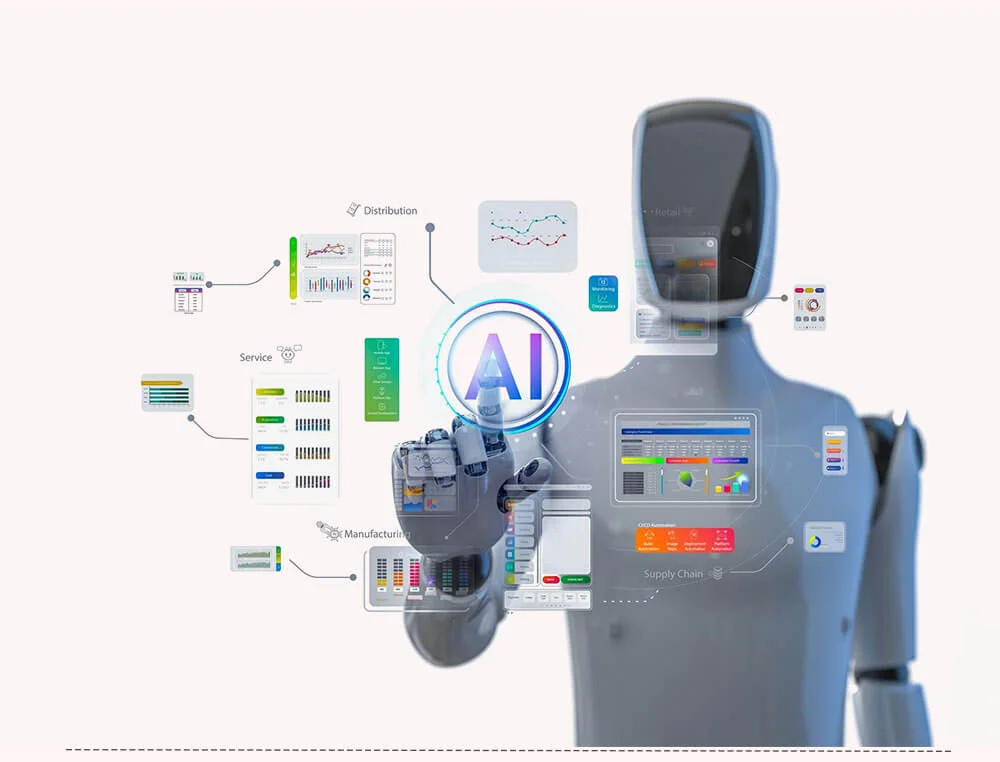
Search is no longer just about ranking on Google. With the rise of AI-powered platforms, businesses must rethink how they create and structure content. Understanding How To Optimize Content For AI Search Engines is now essential for staying visible in a rapidly evolving digital landscape.
We help you optimize your brand for both traditional and AI-powered discovery engines. Our Generative Engine Optimization (GEO) service ensures your brand surfaces in AI responses from tools like ChatGPT, Google SGE, and voice assistants. From entity optimization to conversational SEO content, we future-proof your online presence.
👉 Learn more: https://decodagency.com/services/ai-powered-marketing-geo-strategy/
Why AI Search Optimization Matters
AI search engines don’t just list results—they generate answers. This means your content must be structured in a way that AI can understand, extract, and present.
When you focus on How To Optimize Content For AI Search Engines, you improve your chances of:
- Being featured in AI-generated responses
- Increasing brand visibility beyond traditional rankings
- Driving higher-quality, intent-driven traffic
- Building authority in your niche
Key Strategies to Optimize for AI Search
1. Entity-Based SEO
AI systems rely heavily on entities rather than just keywords. This means your content should clearly define:
- Who you are
- What you offer
- Where you operate
Using entity-based optimization helps AI engines connect your brand to relevant topics and industries, improving your chances of being referenced.
2. Structured Data & Schema Markup
Structured data helps AI engines interpret your content more effectively. Implementing schema markup ensures your website provides clear signals about:
- Services
- Locations
- FAQs
- Reviews
This is a core component of How To Optimize Content For AI Search Engines, as it improves both search engine and AI visibility.
3. Conversational Content Format
AI tools prioritize content that sounds natural and answers real user questions. Instead of keyword stuffing, focus on:
- Clear, simple language
- Question-based headings
- Direct answers
This approach aligns with how users interact with AI assistants like ChatGPT and voice search tools.
4. Create FAQ-Rich Content
FAQs are powerful for AI optimization because they:
- Match conversational queries
- Provide direct answers
- Improve chances of being featured in AI responses
Including well-structured FAQ sections is a key tactic in mastering How To Optimize Content For AI Search Engines.
5. Focus on User Intent
AI engines prioritize intent over keywords. Your content should address:
- Informational queries
- Transactional needs
- Problem-solving content
Understanding what your audience is truly searching for helps you create content that AI systems recognize as valuable.
6. Optimize for Voice Search
Voice assistants are a major part of AI-driven discovery. To optimize for voice:
- Use natural language
- Include long-tail conversational phrases
- Provide concise answers
This enhances your visibility across multiple AI-powered platforms.
GEO: The Future of SEO
Generative Engine Optimization (GEO) is the next evolution of search. It combines traditional SEO with AI-focused strategies to ensure your content performs across both environments.
By mastering How To Optimize Content For AI Search Engines, you position your brand to:
- Appear in AI-generated answers
- Stay ahead of competitors
- Build long-term digital authority
GEO ensures your content is not just searchable—but discoverable, understandable, and recommendable by AI systems.
Why Your Brand Needs AI-Ready Content
As search engines evolve into generative systems, businesses must adapt quickly. Those who invest in AI-ready strategies today will dominate tomorrow’s search landscape.
Our GEO services help brands:
- Structure content for AI interpretation
- Align messaging with user intent
- Integrate AI into marketing workflows
- Build scalable, future-proof visibility
Frequently Asked Questions (FAQ)
1. What are AI search engines?
AI search engines generate direct answers instead of just listing links. Examples include ChatGPT, Google SGE, and voice assistants.
2. What is Generative Engine Optimization (GEO)?
GEO is the process of optimizing content for AI-driven search engines using structured data, entity SEO, and conversational formats.
3. How is AI SEO different from traditional SEO?
Traditional SEO focuses on rankings, while AI SEO focuses on being referenced and included in AI-generated responses.
4. Can small businesses benefit from AI search optimization?
Yes. AI search levels the playing field by prioritizing relevant, well-structured content over just domain authority.
5. How long does it take to see results?
Results depend on your industry and competition, but consistent optimization improves visibility over time.